
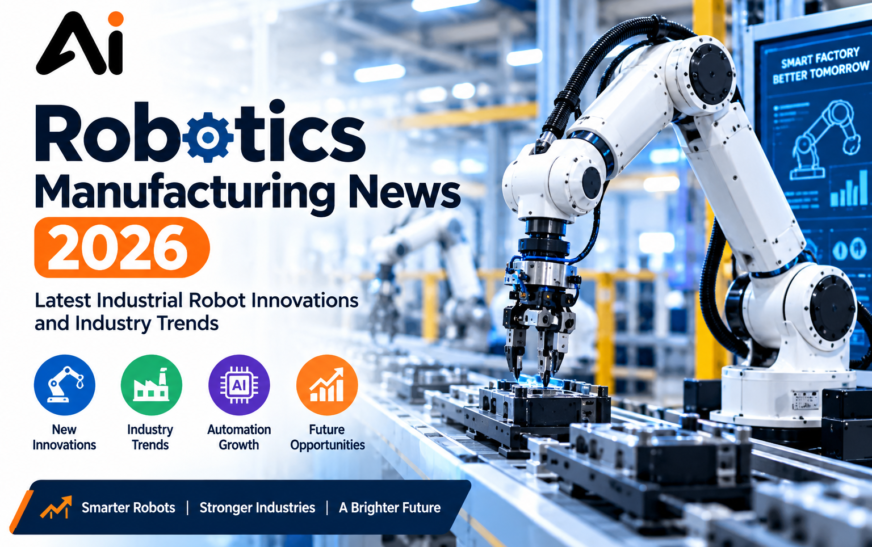
From AI-powered industrial robots to autonomous production systems, robotics manufacturing news is showing how technology is changing modern factories. Manufacturers are exploring smarter automation, more flexible production lines, and robots that can perform increasingly complex tasks.
In 2026, industrial robotics news is no longer limited to automotive assembly lines. Electronics production, metal manufacturing, logistics, food processing, and other industries are also exploring robotic automation. Advances in artificial intelligence, machine vision, and robot control systems are creating new opportunities for businesses seeking to improve production efficiency and quality.
Whether you follow robotics technology news to understand new products, company investments, or factory automation, these developments offer a useful picture of where manufacturing is heading.
Robotics manufacturing news covers developments in industrial robots, AI-powered manufacturing, smart factories, collaborative robots, humanoid robots, and automated production systems. In 2026, important trends include the growing adoption of industrial robots, the integration of artificial intelligence into factory operations, and increasing investment in advanced automation.
The International Federation of Robotics (IFR) reported in September 2026 that the global operational stock of industrial robots reached approximately 5.079 million units in 2025. Annual installations reached 603,000 units, demonstrating the continued expansion of industrial automation worldwide.
Key Takeaways
- Industrial robotics news: More manufacturers are adopting industrial robots for repetitive, precise, and physically demanding tasks.
- AI robotics manufacturing: Artificial intelligence is helping robots interpret visual information, adapt to certain tasks, and support more flexible production.
- Factory automation news: Automated production lines and connected equipment are helping businesses improve consistency and monitor operations.
- Humanoid robot manufacturing news: Companies are testing humanoid robots for selected industrial applications, although widespread deployment remains a work in progress.
- Robotics industry news: Investments, partnerships, product launches, and manufacturing expansion remain important developments to follow.
- Collaborative robot news: Cobots are providing manufacturers with additional options for assembly, inspection, and material handling.
- Robotics market trends 2026: Robot adoption, labor availability, integration costs, and demand for flexible production are shaping investment decisions.
- Manufacturing robotics technology: Machine vision, digital twins, predictive maintenance, and autonomous mobile robots are expanding the capabilities of modern factories.
Latest Robotics Manufacturing News in 2026
The latest robotics manufacturing news reflects a shift toward more connected, adaptable, and intelligent production systems. Manufacturers are looking beyond traditional automation and exploring how software, sensors, and AI can improve the way robots operate.
Global Industrial Robot Installations Continue to Grow
Industrial robots have become an important part of modern manufacturing. According to the IFR’s September 2026 report, factories installed approximately 603,000 industrial robots during 2025, while the global operational stock reached about 5.079 million units.
Asia remained the largest region for industrial robot installations. China recorded particularly strong growth, with 354,000 installations in 2025, accounting for approximately 59% of global deployments. These figures demonstrate the scale of factory automation and the importance of monitoring regional robotics industry news.
AI Is Expanding the Capabilities of Industrial Robots
Artificial intelligence is becoming an important part of manufacturing robotics. Traditional industrial robots usually follow programmed instructions for specific tasks. AI-enabled systems can add capabilities such as visual recognition, improved perception, and adaptation to changing conditions.
For example, a factory may use machine vision to identify a component’s position before a robotic arm picks it up. For example, a factory may use machine vision to identify a component’s position before a robotic arm picks it up. An AI-supported inspection system can also help identify visible product defects. These applications show how industrial robots arm work with sensors, programmed instructions, and AI technologies to perform manufacturing tasks more accurately and efficiently. The actual capabilities depend on the model, training data, sensors, and factory environment.
Robotics Companies Are Expanding Their Manufacturing Plans
Investment and company expansion are other important areas of robotics manufacturing news. On October 5, 2026, Reuters reported that German robotics startup RobCo reached a $1 billion valuation following a new share sale. The company was also planning further expansion in the United States while retaining core manufacturing operations in Germany.
The report illustrates how robotics companies are attracting investor attention while expanding their commercial reach. However, company valuations and funding announcements should be distinguished from confirmed manufacturing capacity or actual robot sales.
Industrial Robotics News and New Robot Technologies
Industrial robots are used for tasks that require repeatability, accuracy, speed, or the ability to work in challenging environments. New developments in robot hardware and software are expanding the range of tasks that manufacturers can automate.
Industrial Robotic Arms and Advanced Production Systems
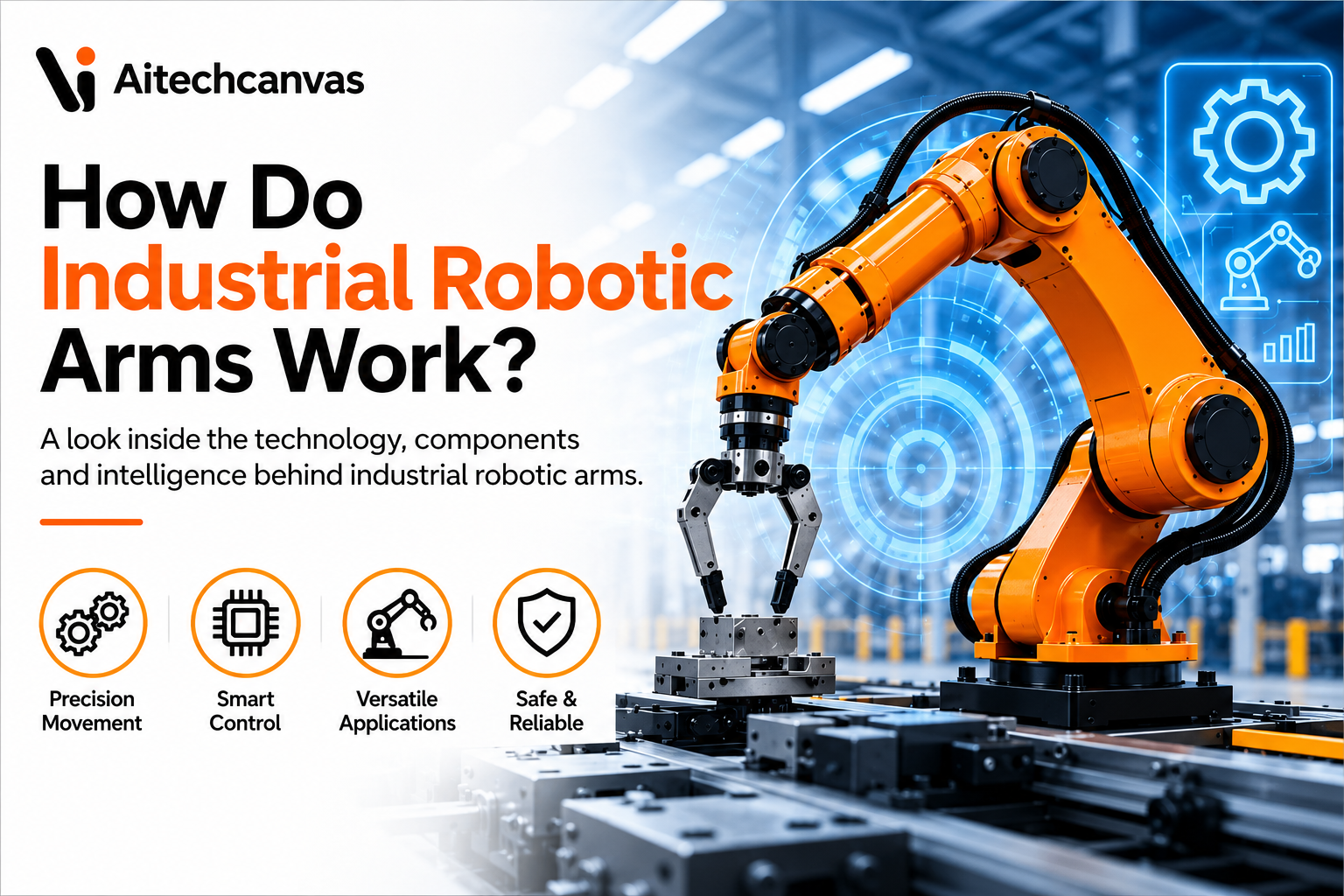
Robotic arms are widely used in manufacturing for welding, painting, assembly, material handling, and machine tending. Their movements can be programmed to perform the same operation repeatedly, helping factories maintain consistent production standards.
Modern robotic arms can also work with cameras, force sensors, and automated tool changers. These additions allow some systems to handle different components or adjust their operations based on production requirements.
Manufacturers evaluating new robotic arms should consider payload capacity, reach, speed, repeatability, safety requirements, and compatibility with existing equipment.
High-Speed Industrial Robots for Factory Automation
High-speed robots are useful when factories need to process large numbers of components within a limited time. They can support packaging, sorting, picking, assembly, and other repetitive operations.
However, speed alone does not determine productivity. Robot accuracy, tool changes, component availability, and coordination with other machines also affect the overall production rate.
Precision Robotics for Industrial Manufacturing
Precision robotics is important in industries where small positioning errors can affect product quality. Electronics manufacturing, semiconductor production, and specialized assembly operations may require tightly controlled movements and accurate inspection.
Manufacturers can combine robotic positioning with machine vision and measurement equipment to improve consistency. The achievable precision depends on the robot, end-of-arm tooling, calibration, temperature, and surrounding equipment.
Manufacturing Automation News and Smart Factory Developments
Manufacturing automation involves using machines, software, sensors, and control systems to perform production tasks with less manual intervention. Robotics is one component of this broader system.
How Robotic Automation Is Changing Modern Manufacturing
Robotic automation can reduce the need for workers to perform repetitive lifting, handling, welding, or inspection tasks. It can also help businesses maintain production during long operating shifts.
The greatest benefits often occur when robots are integrated into a well-designed manufacturing process. A robot cannot automatically eliminate every production bottleneck if materials arrive late, equipment breaks down, or upstream processes operate too slowly.
Businesses should therefore evaluate the entire workflow before investing in factory robotics.
Automated Production Lines and Robotic Assembly Systems
Automated production lines combine robots, conveyors, sensors, machine tools, and control software to move products through manufacturing stages.
Robotics automation may load components into machines, position parts for assembly, apply adhesives, or transfer completed products to inspection stations. When the system is properly integrated, these operations can reduce unnecessary handling and improve process consistency.
Flexible manufacturing systems also allow some production lines to switch between products or component sizes with less manual reconfiguration.
Smart Factory Technology and Connected Manufacturing
Smart factories use connected equipment and data systems to monitor production performance. Sensors can collect information about machine temperature, vibration, operating speed, and energy consumption.
Manufacturers can use this information to identify production delays, monitor equipment health, and investigate recurring quality problems. When robotics is connected to factory management software, operators may gain a clearer view of how individual machines affect the complete production process.
Industrial Automation Systems for Modern Factories
A complete industrial automation system may include programmable logic controllers, industrial robots, safety equipment, machine vision, and manufacturing execution software.
These technologies coordinate machine operations and help ensure that production steps happen in the correct sequence. Successful integration requires compatibility between devices, reliable communication, and appropriate safety controls.
AI Robotics Manufacturing and Intelligent Factory Systems
AI robotics manufacturing combines robotics hardware with AI models and software that help machines interpret information or respond to certain changes in their environment.
How AI Is Transforming Industrial Robot Manufacturing
AI can support several manufacturing activities, including product inspection, component identification, production planning, and robot task programming.
For example, machine vision can help a robotic system recognize components presented in different positions. An AI-supported inspection tool may flag unusual surface patterns for further review.
These applications can make automation more flexible, but performance still depends on system design, training data, lighting, sensor quality, and the variety of products being handled.
AI-Powered Industrial Robots and Autonomous Decisions
AI-powered industrial robots may use perception and decision-making software to select actions within a defined operating environment. This differs from conventional automation that relies primarily on fixed sequences and predetermined conditions.
In manufacturing, AI may help a robot locate an object, select an appropriate grasp, or adjust its movements when a component is not positioned exactly as expected.
Such systems still require testing, monitoring, and safety measures. AI decision-making does not mean that robots can safely perform every manufacturing task without supervision.
Physical AI in Manufacturing and Factory Operations
Physical AI refers broadly to AI systems that interact with the physical world through robots or other machines. In factories, this can involve combining sensors, cameras, robot control systems, and AI models.
The objective is to enable machines to interpret their surroundings and respond to changing conditions more effectively.
Potential applications include flexible material handling, machine tending, inspection, and selected assembly operations. Adoption will depend on reliability, integration costs, and whether these systems perform better than established automation methods.
Machine Learning Applications in Industrial Robotics
Machine learning can help manufacturing systems recognize patterns in operational data and improve production efficiency. Choosing the right robotics programming language, such as Python or C++, can help developers integrate machine learning algorithms, process sensor data, and program robots to perform complex manufacturing tasks. It may support predictive maintenance, defect classification, production forecasting, and process optimization.
For example, a monitoring system may analyze vibration or temperature measurements to identify signs of abnormal equipment behavior. Maintenance teams can then investigate the issue before it causes a major interruption.
Such systems do not guarantee that failures will be prevented, but they can provide useful information for maintenance planning.
Humanoid Robot Manufacturing News and Factory Applications
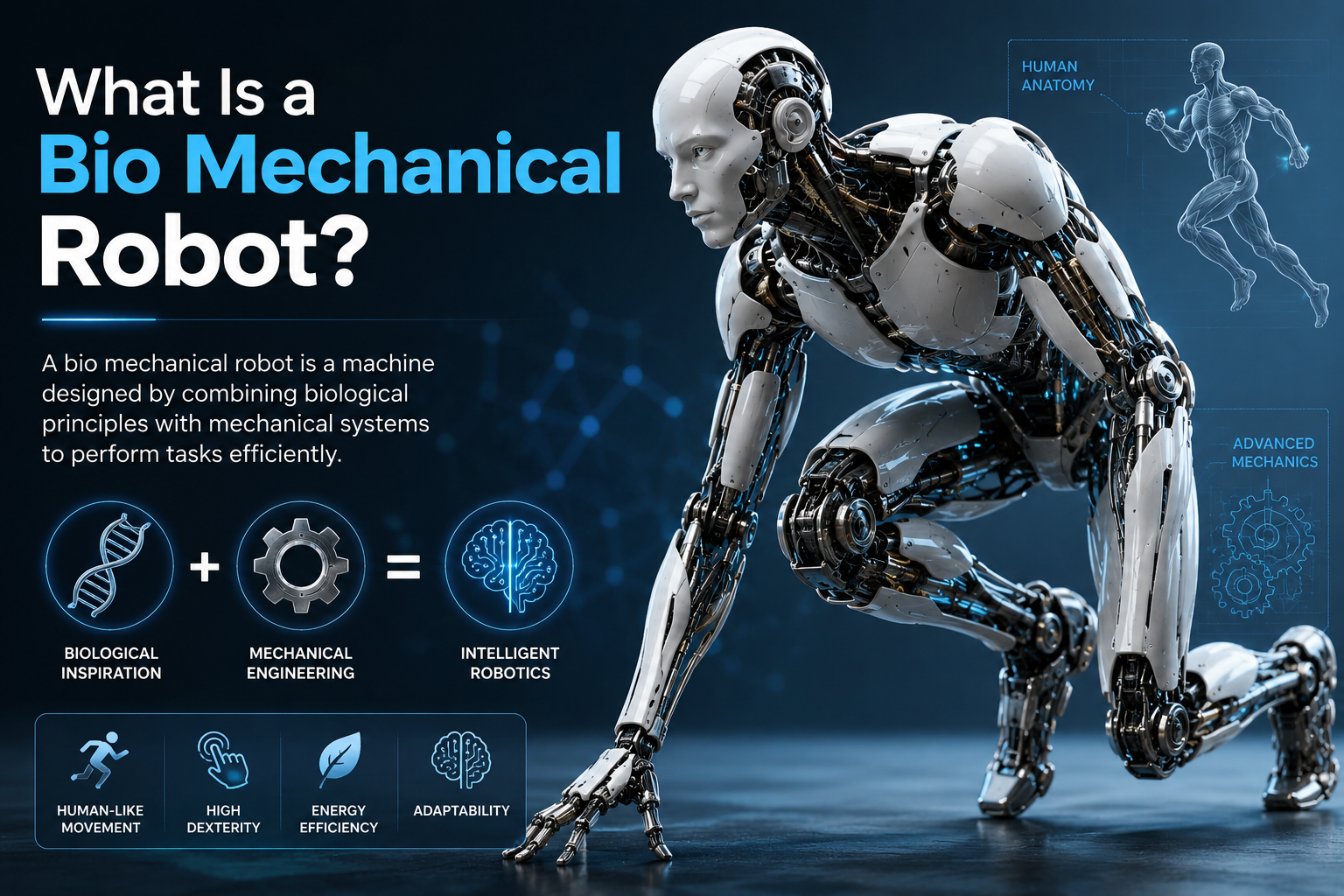
Humanoid robots are designed with a human-like body structure, although their exact form and capabilities vary. Manufacturers are investigating whether these machines can perform selected tasks in environments originally designed for people.
Latest Humanoid Robots Entering Manufacturing Facilities
Humanoid robot development has attracted attention because these machines may be able to operate around existing workstations, tools, and storage systems.
However, demonstrations and pilot programs should not be confused with large-scale commercial deployment. Manufacturers need to assess task reliability, operating speed, safety, battery life, maintenance, and cost before using humanoid robots extensively.
Humanoid Robots Working on Factory Production Lines
Potential factory applications include moving components, handling containers, transporting materials, and performing simple repetitive operations.
The most suitable tasks are those that can be completed reliably within a controlled environment. Humanoid robots may be less practical than conventional industrial robots when a task requires very high speed, extreme precision, or continuous operation in a fixed position.
For this reason, humanoid robots are likely to complement other automation technologies in some settings rather than replace every type of factory robot.
Humanoid Robot Mass Production and Manufacturing Capacity
Producing humanoid robots at scale requires reliable components, motors, actuators, sensors, batteries, control systems, and assembly processes.
Companies must also develop supply chains and service networks that can support commercial customers. A successful prototype does not automatically demonstrate that a company can manufacture thousands of reliable robots at an affordable price.
Recent robotics industry news increasingly focuses on whether manufacturers can move from demonstrations and pilot programs to repeatable commercial deployments.
Can Humanoid Robots Address Manufacturing Labor Shortages?
Humanoid robots may help with certain physically demanding or repetitive tasks where businesses have difficulty recruiting workers. Their usefulness will depend on whether they can perform the work safely, consistently, and at a competitive cost.
Training, supervision, maintenance, and workplace redesign may still be required. In some cases, a conventional robotic arm or autonomous mobile robot may provide a more economical solution.
Robotics Companies, Investments, and Manufacturing Expansion
Robotics companies are developing hardware, software, sensors, and integrated automation solutions for manufacturing customers. Their business developments can indicate where the industry expects future demand. AI-powered automation is also expanding across business operations. Learn more about how to automate customer conversations with AI and how AI can help streamline workflows and improve operational efficiency.
Robotics Startup Funding and Investment Announcements
Funding can help robotics startups develop prototypes, improve software, expand engineering teams, and prepare for commercial production.
However, investment figures should be interpreted carefully. A funding announcement does not necessarily mean that a product is ready for widespread use or that the company has secured long-term customer demand.
Readers following robotics company news should examine the technology being developed, announced partnerships, customer deployments, and evidence of commercial progress.
Industrial Robotics Investments and Market Expansion
Manufacturers invest in robotics to improve throughput, maintain quality, reduce certain labor-intensive activities, or increase production flexibility.
Investment decisions depend on the cost of the equipment, integration, maintenance, workforce training, and the expected production benefits. Companies may also consider how easily a system can be adapted when products or production volumes change.
Robot Manufacturing Facilities and New Production Plants
New robot manufacturing facilities can increase production capacity and strengthen access to important markets. Such expansion may involve building new plants, upgrading existing facilities, or establishing regional engineering and service centers.
When evaluating manufacturing expansion news, distinguish between an announced plan, a facility under construction, and a factory that has started commercial production.
Robotics Industry Acquisitions and Strategic Partnerships
Partnerships allow robotics companies to combine expertise in hardware, software, AI, industrial controls, and manufacturing operations.
Acquisitions may provide access to technology, intellectual property, distribution channels, or established customer relationships. Their long-term impact depends on how effectively the businesses integrate their products and operations.
Collaborative Robot News and Cobot Manufacturing Developments
Collaborative robots, commonly called cobots, are designed for applications that involve interaction or coordination between people and robots. Their use still requires an appropriate safety assessment and suitable safeguards.
AI-Powered Cobots for Manufacturing Automation
AI-supported cobots can combine robotic movement with visual recognition or other sensing capabilities. These features may help with component identification, flexible picking, and selected inspection tasks.
Their performance varies by application, and manufacturers should assess reliability and safety before deploying them in changing production environments.
Human-Robot Collaboration on Production Lines
Human-robot collaboration can allow workers to focus on tasks that require judgment, problem-solving, or specialist skills while robots handle repetitive movements or material transfer.
The exact arrangement depends on the application. Some collaborative systems operate close to workers, while other installations require separation, guarding, or additional protective equipment.
Collaborative Robots for Small and Medium-Sized Manufacturers
Cobots may be attractive to smaller manufacturers because some models are relatively compact and can be reconfigured for different tasks.
Common applications include packaging, machine tending, screwdriving, component handling, and basic inspection. Nevertheless, businesses should compare the full installation cost and expected output with other automation options before choosing a cobot.
Robotics Manufacturing News by Industry
Different manufacturing industries use robots according to their production requirements, safety standards, and product designs.
Automotive Manufacturing Robotics and Factory Automation
Automotive factories use industrial robots for welding, painting, assembly, material handling, and other production tasks. Robotic systems can support consistent processes and high production volumes.
New vehicle designs and changing component requirements may also encourage manufacturers to invest in more flexible automation.
Robotics in Electronics and Semiconductor Manufacturing
Electronics production often involves small components and tightly controlled assembly processes. Robots can support component placement, handling, inspection, and packaging.
Semiconductor manufacturing requires particularly strict control over contamination, precision, and environmental conditions. Automation can help move wafers and materials through complex processes while limiting unnecessary human contact.
Robotic Welding and Metal Fabrication Developments
Robotic welding systems can repeat defined weld paths and maintain consistent operating parameters. They are used in automotive production, metal fabrication, machinery manufacturing, and heavy industry.
The quality of the result still depends on material preparation, joint design, welding parameters, programming, and inspection.
Food Manufacturing Robots and Automated Packaging
Food manufacturers use robots for sorting, picking, portioning, packing, palletizing, and other repetitive tasks.
These systems must meet applicable hygiene and cleaning requirements. Equipment selection depends on the product, operating environment, throughput, and contact with food.
Pharmaceutical Manufacturing Robotics and Quality Control
Pharmaceutical manufacturers use automation for packaging, inspection, material handling, and selected production processes.
Robotic systems may support consistent handling and traceability, but they must operate within the relevant quality management and regulatory requirements.
Robotics in Aerospace Manufacturing and Aircraft Assembly
Aerospace manufacturing uses robotics for selected drilling, fastening, material handling, surface treatment, and inspection operations.
Because aircraft components can be large and complex, robotic systems may need advanced positioning, measurement, and quality verification capabilities.
Robotics Manufacturing Technology and Engineering Innovations
Developments in hardware, sensors, software, and simulation are helping manufacturers design and manage more capable robotic systems.
Machine Vision Robotics and Automated Quality Inspection
Machine vision allows a robotic system to analyze images and identify features such as component position, surface defects, or missing parts.
In quality inspection, cameras and image-processing software can help detect visible inconsistencies. Results depend on image quality, lighting, inspection criteria, and the reliability of the detection model.
Advanced Robot Sensors, Actuators, and Motion Control
Sensors provide information about a robot’s position, movement, force, or surrounding environment. Actuators convert control signals into physical movement, while motion-control software coordinates how the robot moves.
Advances in these components can improve accuracy, responsiveness, and task flexibility. Their benefits depend on how well the complete robotic system is engineered.
Digital Twins in Robotics and Virtual Factory Simulation
A digital twin is a digital representation of a physical asset or process that can be used for monitoring, analysis, or simulation.
Manufacturers may simulate robotic workcells before installing them on the factory floor. This can help identify reach limitations, potential collisions, cycle-time issues, and layout problems earlier in the design process.
The value of a digital twin depends on the quality of its model and how closely it reflects real operating conditions.
Autonomous Mobile Robots for Material Handling
Autonomous mobile robots move materials, components, or containers through factories and warehouses. They can support internal logistics by transporting items between production stations, storage areas, and packaging lines.
Their deployment requires careful planning around routes, pedestrian movement, charging, traffic management, and communication with other equipment.
Predictive Maintenance for Industrial Robotics
Predictive maintenance uses equipment data to help estimate when maintenance may be required. For industrial robots, relevant information may include motor temperature, vibration, operating cycles, and error logs.
When supported by reliable data, predictive maintenance can help maintenance teams investigate emerging problems and plan service work. It does not eliminate the need for inspections or manufacturer-recommended maintenance schedules.
Global Robotics Manufacturing Market Trends in 2026
Robotics market trends help manufacturers, technology providers, and investors understand how demand for industrial automation is changing.
Global Industrial Robot Installations and Factory Adoption
The IFR’s World Robotics 2026 report recorded 603,000 industrial robot installations during 2025, bringing the global operational stock to approximately 5.079 million units. These figures indicate that industrial robots continue to play a significant role in factory operations.
The data also show why regional differences matter when interpreting robotics market news. Investment levels, manufacturing activity, labor availability, and government policies can affect the rate of adoption in different countries.
Robotics Manufacturing Market Growth and Investment
The commercial opportunity for robotics extends beyond robot hardware. Manufacturers may also invest in integration services, sensors, machine vision, software, maintenance, and worker training.
These related expenses are important when evaluating the economics of automation. A robot’s purchase price represents only one part of the overall investment.
Robotics Adoption Across Small and Large Manufacturers
Large manufacturers may have the resources to automate entire production lines, while smaller businesses often begin with one or two specific tasks.
A focused project can help a company assess the practical benefits of robotics before expanding to additional operations. The most suitable starting point is often a repetitive process with measurable performance requirements and a clear business case.
How Labor Shortages Are Driving Factory Robotics Adoption
Some manufacturers use robots to address difficulty recruiting workers for repetitive, physically demanding, or undesirable tasks.
Automation can also allow existing employees to focus on technical work, equipment supervision, quality control, and problem-solving. However, new systems require skilled personnel who can program, maintain, and troubleshoot them.
Challenges and Opportunities in Manufacturing Robotics
Despite the potential benefits, robotics implementation requires careful planning. Companies must assess technical, financial, operational, and safety considerations.
Industrial Robot Implementation Costs and Integration Challenges
The total cost of an industrial robotics project may include the robot, grippers, sensors, guarding, software, installation, programming, training, and ongoing maintenance.
Integration can also be challenging when equipment uses incompatible communication protocols or when a factory layout was not designed for automation.
Businesses should calculate the expected return on investment using realistic assumptions about productivity, downtime, maintenance, and product demand.
Robot Safety Standards and Factory Workforce Training
Robotic systems introduce hazards related to movement, crushing, impact, tooling, and unexpected machine behavior. Appropriate risk assessments, safety controls, operating procedures, and worker training are essential.
Manufacturers should evaluate the complete workcell rather than assuming that a robot is safe simply because it is advertised as collaborative.
Cybersecurity Risks in Connected Manufacturing Systems
Connected robots and industrial control systems can introduce cybersecurity risks if access controls, network protections, and software updates are not managed properly.
Manufacturers should establish appropriate access permissions, maintain supported software, monitor systems, and follow relevant industrial cybersecurity practices.
Benefits of Robotics for Manufacturing Productivity
Robotics can improve repeatability, support continuous operations, reduce certain manual handling tasks, and help standardize production processes.
However, the benefits vary by application. Successful projects usually involve clear performance targets, appropriate equipment selection, good integration, and ongoing measurement of results.
Future of Robotics Manufacturing: Trends to Watch Beyond 2026
The future of robotics manufacturing will depend on improvements in AI, sensors, hardware, software, and system integration. Several areas are worth watching as companies develop new products and production strategies.
Emerging Industrial Robotics Technologies
Developments in machine vision, force sensing, adaptive control, and robot simulation may make some automation projects easier to configure and operate.
Manufacturers will also continue to evaluate how robots can handle more product variations without requiring extensive reprogramming.
The Future of Fully Automated Manufacturing Facilities
Highly automated factories combine robots with connected machines, material-handling systems, inspection equipment, and production software.
Although some facilities can automate large parts of their operations, complete automation is not practical for every product or business. Maintenance, supervision, troubleshooting, and process improvement remain important.
AI Agents and Autonomous Factory Operations
AI agents may eventually coordinate selected manufacturing activities by interpreting production data, recommending actions, or interacting with approved software systems.
In practice, these capabilities require clear permissions, reliable data, validation, and human oversight for consequential decisions. Their usefulness will depend on whether they can improve operations safely and consistently.
Next-Generation Humanoid and Collaborative Robots
Humanoid robots and cobots will continue to attract interest because they offer different approaches to automating tasks around people and existing workspaces.
The key question is not simply whether a robot can complete a demonstration. Manufacturers need evidence that it can perform a useful task reliably, safely, and economically over extended periods.
Conclusion: What to Watch in Robotics Manufacturing News in 2026
Robotics manufacturing news offers a useful view of how industrial automation, artificial intelligence, and advanced manufacturing technologies are evolving. Growing industrial robot installations, new AI-enabled systems, collaborative robots, and ongoing humanoid robot development are among the important topics shaping the industry.
For manufacturers, the best automation decisions depend on practical requirements rather than headlines alone. Businesses should evaluate productivity, safety, integration costs, workforce training, and long-term maintenance before investing in new robotic systems.
For readers following robotics industry news, reliable sources such as the International Federation of Robotics and the Association for Advancing Automation provide industry statistics, research, and announcements. Combining these resources with verified company news can help readers understand which robotics innovations are reaching real factories and which remain at the development or testing stage.
Frequently Asked Questions
What is robotics manufacturing news?
Robotics manufacturing news covers updates about industrial robots, factory automation, robotics companies, AI-enabled manufacturing systems, and new production technologies.
What are the latest robotics manufacturing trends in 2026?
Important areas to follow include industrial robot adoption, AI-powered robotics, machine vision, collaborative robots, smart manufacturing, and testing of humanoid robots for industrial applications.
How is AI changing robotics manufacturing?
AI can help robots interpret visual information, recognize components, support quality inspection, and adapt to certain variations in manufacturing tasks. Its effectiveness depends on the application, system design, and safety requirements.
Which industries use the most manufacturing robots?
Automotive and electronics manufacturing are major users of industrial robots. Robotics is also used in metal and machinery production, food processing, pharmaceuticals, aerospace, and other industries.
What is the difference between industrial robots and collaborative robots?
Industrial robots are used for automated tasks across many manufacturing environments. Collaborative robots are designed for applications that can involve closer interaction with people, provided the system is appropriately assessed and safeguarded.
Are humanoid robots being used in manufacturing?
Some companies are testing humanoid robots in industrial environments, but deployments remain limited compared with conventional industrial robots. Their commercial value depends on reliability, safety, task performance, and cost.
How can robotics improve manufacturing productivity?
Robots can perform repetitive operations consistently, support continuous production, improve material handling, and help standardize selected processes. Results depend on how well the robot is integrated into the wider production system.
Where can I find the latest industrial robotics news?
The International Federation of Robotics and the Association for Advancing Automation publish robotics research, industry statistics, company announcements, and automation updates.
What challenges do manufacturers face when adopting robotics?
Common challenges include equipment and integration costs, safety requirements, workforce training, maintenance, cybersecurity, and compatibility with existing production systems.
What is the future of robotics manufacturing?
Future developments may include more adaptable AI-enabled robots, improved machine vision, autonomous material handling, digital twins, and wider use of flexible automation. Adoption will depend on proven performance, affordability, and practical business needs.