
Can Apple Lead the Robotics Wave? Yes, Apple has the potential to become a major force in consumer robotics by combining its AI ecosystem, Apple Silicon, hardware expertise, and smart home platform. While companies like Tesla and Figure AI are leading industrial and humanoid robotics, Apple’s focus on intelligent home assistants and AI-powered robots could redefine consumer robotics over the next decade.
Key Takeaways
- Apple is expanding beyond smartphones into consumer robotics and AI-powered robots.
- The company is reportedly developing an Apple Smart Home Robot and advanced smart home devices.
- Apple’s biggest strengths include Apple Intelligence, Apple Silicon, privacy-first AI, and a tightly integrated ecosystem.
- Tesla, Figure AI, Amazon Astro, Samsung Ballie, and Boston Dynamics remain Apple’s biggest competitors.
- The global robotics market is expected to experience massive growth, creating significant opportunities for Apple.
- Apple’s success depends on improving generative AI, robotics engineering, and consumer adoption.
Can Apple Lead the Robotics Wave?
Artificial intelligence is no longer limited to smartphones, chatbots, or cloud computing. The next technological revolution is consumer robotics, where intelligent machines become part of everyday life. This shift has sparked an important question across the technology industry: Can Apple Lead the Robotics Wave?
Apple has consistently entered markets after competitors and transformed them through superior design, seamless software integration, and premium user experiences. The iPhone reshaped smartphones, the Apple Watch became one of the world’s most successful wearables, and AirPods revolutionized wireless audio. Today, many analysts believe the company’s next major opportunity lies in Apple robotics, where physical AI meets intelligent hardware.
Although Apple has not officially announced a commercial robot, multiple reports suggest the company is investing heavily in Apple robotics technology, exploring smart home devices, robotic assistants, and advanced AI systems. If these efforts succeed, Apple could redefine how consumers interact with intelligent machines inside their homes.
So, Can Apple Lead the Robotics Wave? The answer depends on Apple’s ability to combine artificial intelligence, robotics engineering, and its world-class ecosystem into products that solve real problems while remaining simple to use.
What Is the Robotics Wave?
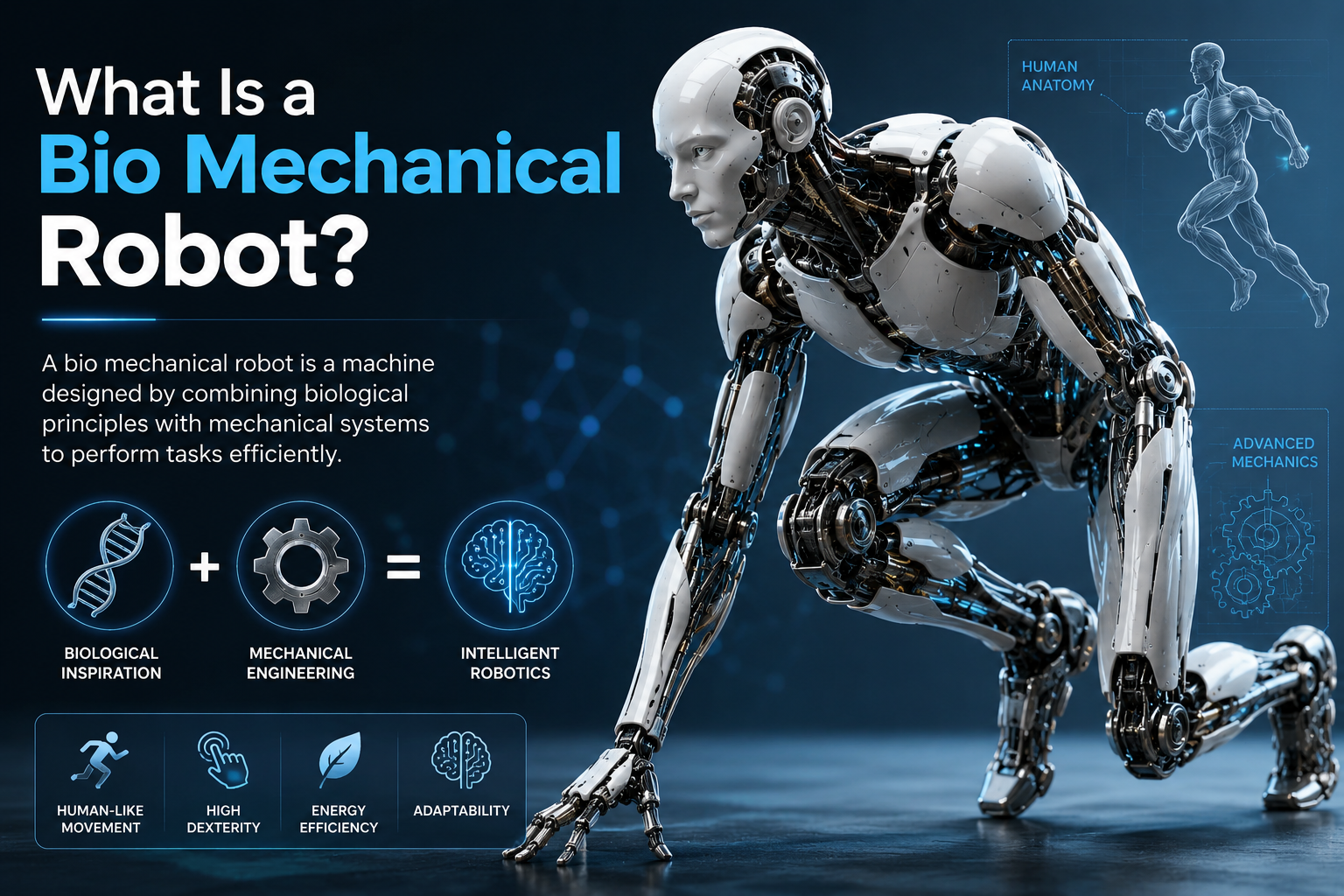
The robotics wave refers to the rapid adoption of AI-powered robots, autonomous robots , bio mechanical robots, and intelligent machines across industries and households. Thanks to advances in machine learning robotics, computer vision, sensors, and automation technology, robots are becoming smarter, safer, and more capable of interacting with humans.
Unlike traditional industrial robotics, which primarily perform repetitive factory tasks, modern robots are designed to assist people in everyday environments. These include robotic assistants, healthcare robots, educational robots, warehouse automation systems, and smart home companions.
Several factors are driving this transformation:
- Rapid improvements in artificial intelligence
- More powerful AI hardware
- Better robotics engineering
- Advanced sensors and actuators
- Lower manufacturing costs
- Growing demand for smart home automation
This new generation of robotics is expected to reshape industries ranging from healthcare and education to logistics and personal assistance.
Apple Robotics Patents, Competition, and Future Roadmap
Apple continues to invest in robotics, machine learning, computer vision, sensors, and intelligent automation through patents that support future consumer robotics. In the Tesla robot vs Apple debate, Tesla focuses on industrial robotics, while Apple is expected to build intelligent home assistants. Competitors like the Figure AI robot, Boston Dynamics, and Samsung Ballie target different robotics markets, but Apple’s integrated ecosystem remains a key advantage.
Apple’s AI and robotics roadmap is expected to begin with an AI-powered smart home hub, followed by a motorized display and advanced Apple smart home robots. Long-term, Apple is researching intelligent mobile and humanoid robots for consumer applications. If launched, an Apple home robot could combine a digital assistant, security monitor, communication hub, and smart home automation into one intelligent device.
Why Is Apple Investing in Robotics?
Apple is investing in Apple AI robotics to expand its consumer robotics strategy after reportedly shifting resources from Project Titan. Instead of focusing on industrial automation, Apple aims to build intelligent robots that integrate with its ecosystem and provide personalized assistance through on-device AI.
Apple’s robotics strategy focuses on AI-powered conversations, contextual awareness, privacy, and seamless integration with iPhone, iPad, Apple Watch, Mac, Vision Pro, and HomePod. An Apple home robot could become the center of a connected smart home, giving Apple a strong competitive advantage in the robotics market.
Apple’s AI and Robotics Roadmap
Apple’s AI and robotics roadmap is expected to begin with an AI-powered smart home hub, followed by a motorized display and more advanced Apple smart home robots with greater mobility and home assistance features. Long-term, Apple is researching intelligent mobile and humanoid robots for consumer robotics. If launched, an Apple home robot could combine a digital assistant, security monitor, communication hub, and smart home automation into a single intelligent device.
Apple Smart Home Robot: Everything We Know
As interest in Apple robotics grows, one of the most exciting topics is the possibility of an Apple Smart Home Robot. While Apple has not officially announced a commercial robot, several credible industry reports suggest the company is exploring intelligent home devices that combine robotics with artificial intelligence.
Unlike traditional smart speakers, an Apple smart home robot is expected to be an interactive assistant capable of moving, responding to voice commands, recognizing people, and integrating seamlessly with the Apple ecosystem. The device could become the central hub for smart home automation, managing lights, security cameras, climate control, entertainment, and communication.
If Apple successfully launches such a device, it could redefine consumer robotics by making intelligent home assistants more practical and user-friendly.
Apple Humanoid Robot Rumors Explained
One of the biggest questions surrounding Can Apple Lead the Robotics Wave is whether Apple is developing a humanoid robot.
At present, there is no official confirmation that Apple is building a humanoid robot similar to Tesla Optimus or Figure AI. Most reports suggest Apple’s current focus is on tabletop robots and smart home assistants rather than full-sized humanoid machines.
However, industry experts believe Apple continues to invest in long-term robotics research. If advances in AI hardware, battery technology, and robotics engineering continue, Apple could eventually explore premium humanoid robots for consumer applications.
Apple Robotics Patents and Industry Competition
Apple continues to invest in robotics, machine learning robotics, computer vision, sensors, intelligent automation, and human-machine interaction through its patents. The company has explored robotic mechanisms, motorized displays, and AI technologies that could support future consumer robotics.
In the Tesla robot vs Apple comparison, Tesla Optimus targets industrial robotics for factories and warehouses, while Apple is expected to focus on intelligent home assistants. Figure AI robot specializes in workplace automation, whereas Boston Dynamics develops advanced mobility robots. Samsung Ballie is a key competitor in smart home robotics, but Apple’s biggest advantage could be its integrated ecosystem for everyday users.
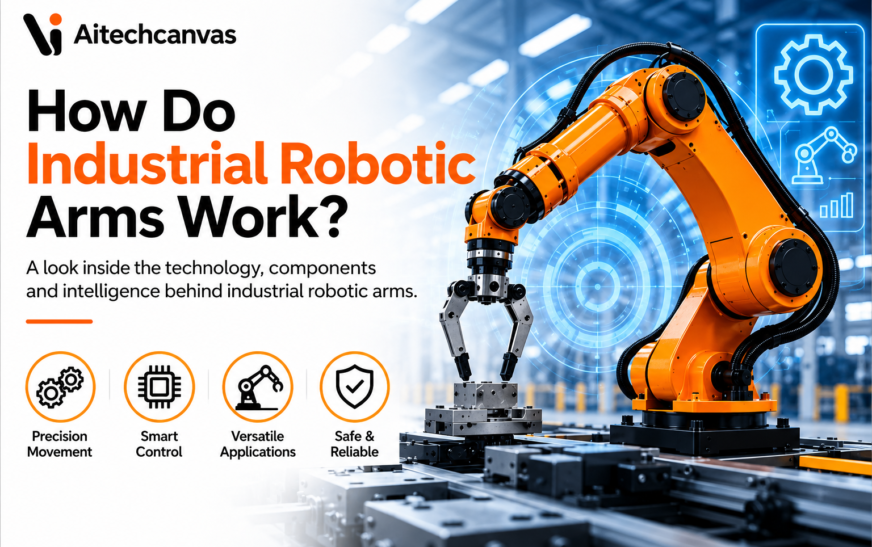
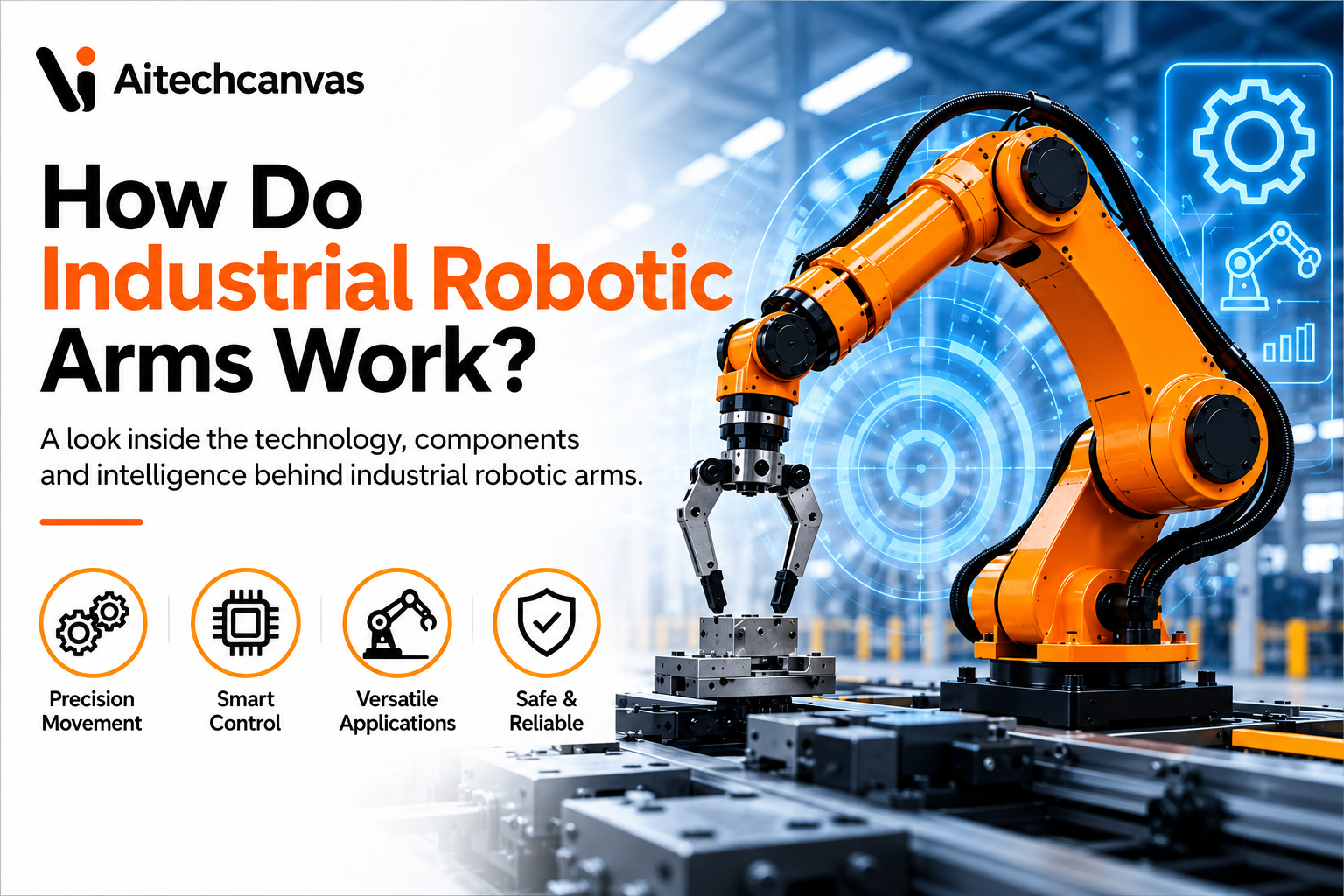
How Do Industrial Robotic Arms Work? Industrial robotic arms use a combination of sensors, electric motors, actuators, computer vision, and AI-driven software to perform precise, repetitive tasks. These robots are commonly used in manufacturing for welding, assembly, packaging, quality inspection, and material handling. Unlike consumer robots that focus on assisting people at home, industrial robotic arms are designed for speed, accuracy, and continuous operation in factory environments.
AI Technologies in Modern Robotics
AI-powered robots use machine learning robotics, computer vision, NLP, sensor fusion, and Edge AI to learn and make intelligent decisions, strengthening the robotics ecosystem.
Machine learning robotics helps robots improve over time, while computer vision enables face recognition, navigation, object detection, and obstacle avoidance.
A connected AI ecosystem allows robots to work with smart devices for seamless automation. Unlike industrial robotics, consumer robotics combines artificial intelligence, machine learning robotics, and robotics innovation to create smarter everyday robots.
Best Consumer Robots
The consumer robotics market continues to grow, with several companies introducing innovative products.
| Robot | Company | Primary Purpose |
| Amazon Astro | Amazon | Home Monitoring |
| Ballie | Samsung | Smart Home Assistant |
| Optimus | Tesla | General Purpose |
| Figure 02 | Figure AI | Workplace Assistance |
| Roomba Combo | iRobot | Cleaning |
| Apple Home Robot (Rumored) | Apple | Smart Home & AI Assistant |
Each robot serves different users, but Apple has the opportunity to differentiate itself through privacy, seamless ecosystem integration, and premium user experiences.
How Home Robots Will Change Everyday Life
Robotic assistants are expected to transform everyday life by improving home automation, elderly care, education, remote communication, and household assistance. Powered by AI, robotic assistants can manage daily tasks, monitor health, and provide personalized support. As they become more advanced, robotic assistants are expected to drive rapid growth in the personal robotics market.
The Future of Personal AI Robots
The future of personal robotics extends far beyond voice assistants.
Experts predict that future robots will become:
- More conversational
- Emotionally aware
- Context-sensitive
- Energy efficient
- Autonomous
- Better integrated into daily life
If Apple enters this market successfully, it could combine AI-powered robots, Apple Intelligence, and intuitive design to create products that feel like natural extensions of the Apple ecosystem.
What Technologies Power Modern Robots?
Modern robots combine AI, machine learning, computer vision, robotics engineering, AI hardware, cloud computing, and Edge AI to make decisions, recognize objects, and perform tasks efficiently.
Sensors (cameras, LiDAR, ultrasonic, infrared, microphones, touch, and temperature sensors) collect environmental data, while actuators (electric motors, servo motors, hydraulic, and pneumatic systems) create movement.
Robotic arms use joints, motors, sensors, and AI controllers to perform precise tasks powered by machine learning and computer vision.
Popular robotics operating systems include ROS, NVIDIA Isaac, Tesla AI software, and custom embedded platforms that control robot movement, perception, and automation.
Global Robotics Market Trends
The global robotics market is growing rapidly due to AI, automation, and smart manufacturing. Key trends include AI-powered robots, healthcare and warehouse automation, consumer robotics, smart homes, improved engineering, and autonomous robots. Analysts expect strong long-term growth as robots become more affordable and advanced.
Can Apple Lead the Robotics Wave? The Future of AI and Robotics
Artificial intelligence is set to transform robotics over the next decade, making robots smarter, more adaptive, and capable of performing increasingly complex tasks. Future innovations are expected to include emotion-aware robots, collaborative robots (cobots), autonomous service robots, intelligent healthcare assistants, personalized AI companions, and advanced home robotics ecosystems. Leading companies such as Apple, Tesla, Figure AI, Boston Dynamics, NVIDIA, Amazon, Samsung, Google DeepMind, ABB, and FANUC are driving this evolution through breakthroughs in industrial automation, consumer robotics, AI hardware, and intelligent machines.
Robotics Industry Predictions
Industry analysts expect several major developments
- Increased adoption of AI-powered robots in homes.
- Faster growth of smart home automation.
- Improved robotics ecosystem interoperability.
- More affordable personal robots.
- Expanded healthcare robotics.
- Stronger AI integration into consumer devices.
- Greater investment in robotics research.
- Continued growth of automation technology and Industry 4.0.
Conclusion
Can Apple Lead the Robotics Wave? The company has many of the ingredients needed to succeed: world-class hardware engineering, powerful custom silicon, a trusted ecosystem, and growing AI capabilities. While Apple currently trails some competitors in humanoid and industrial robotics, its focus on consumer experiences, privacy, and seamless device integration could help it carve out a leading position in the smart home market. The robotics industry is still in its early stages, and no single company has secured complete dominance. If Apple successfully delivers innovative home robots powered by Apple Intelligence, it could reshape consumer robotics just as it transformed smartphones, smartwatches, and wireless audio. The coming years will determine whether Apple’s strategy becomes the next major chapter in the evolution of intelligent machines
FAQs
Can Apple Lead the Robotics Wave?
Apple has the potential to become a leader in consumer robotics by combining advanced AI, premium hardware, and its integrated ecosystem. Success will depend on execution and continued investment in robotics technologies.
Is Apple entering the robotics industry?
Apple has not announced a commercial robot, but reports suggest it is researching robotics technologies and smart home devices.
Will Apple build a humanoid robot?
There is no official confirmation. Current reports indicate Apple is focusing on smart home robotics rather than humanoid robots.
What is Apple Intelligence?
Apple Intelligence is Apple’s AI platform designed to enhance user experiences through on-device processing, privacy, and intelligent assistance.