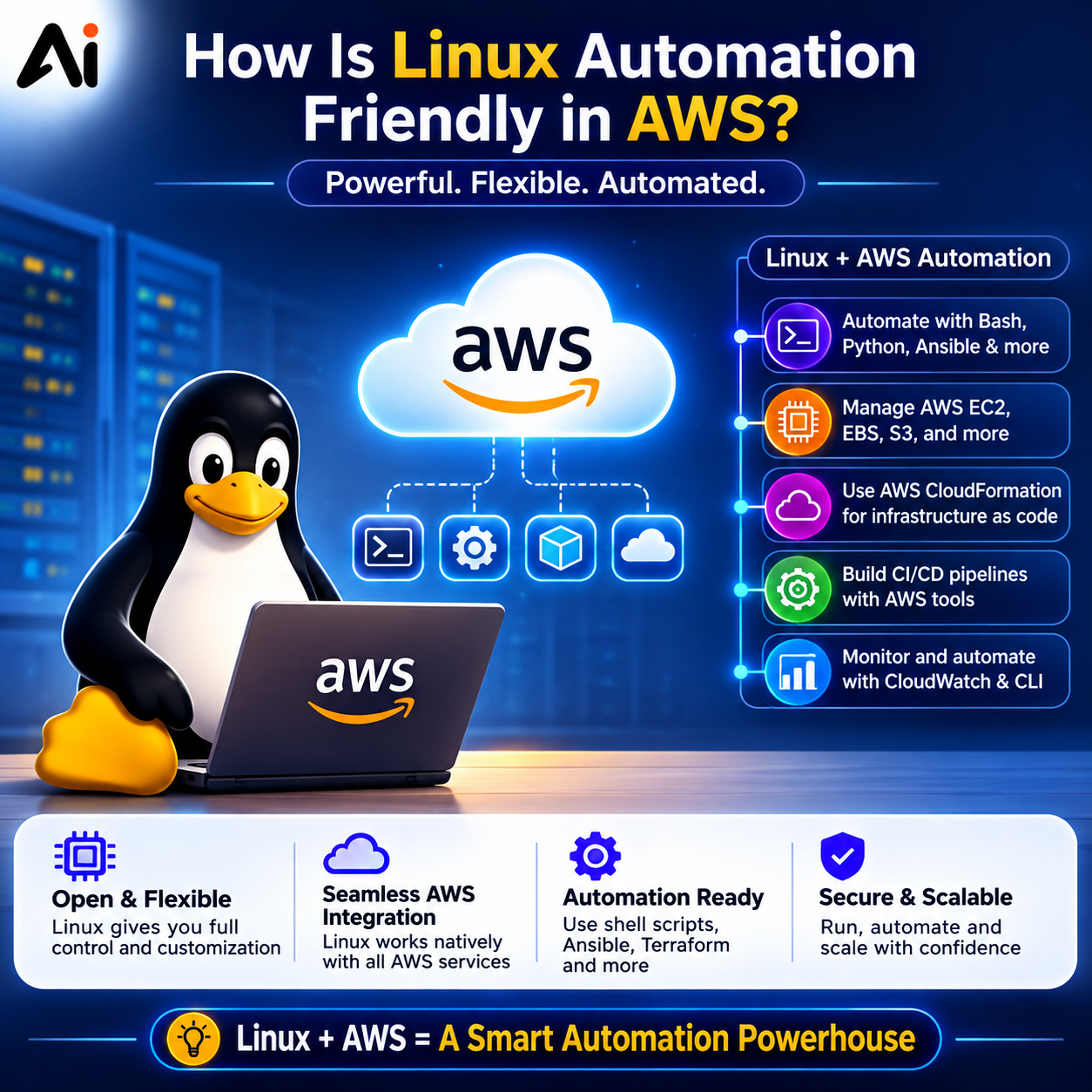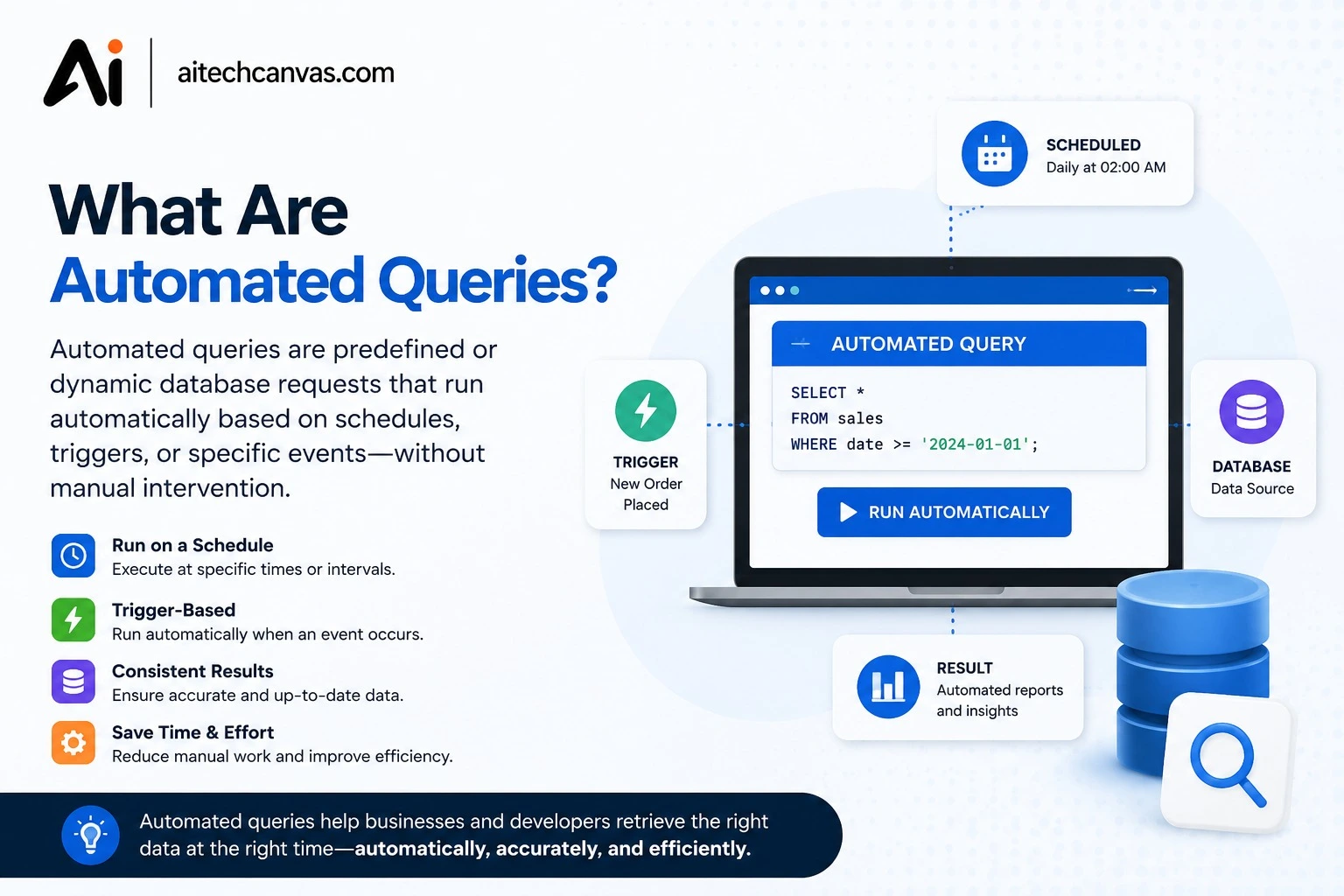

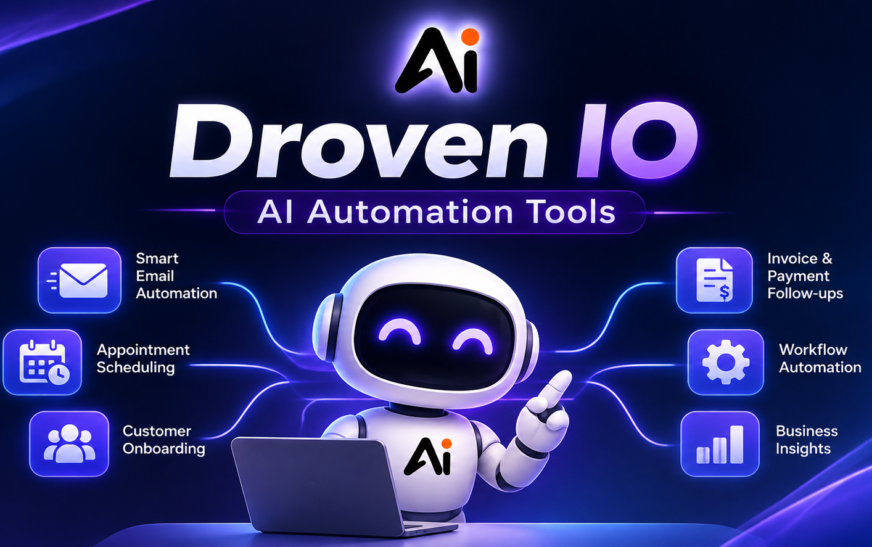
Droven.io is not automation software. It’s an independent, vendor-neutral knowledge platform that researches and explains AI automation tools, things like n8n, Zapier AI, Make, GoHighLevel, and LLM-powered agents, so business owners can understand the landscape before spending money on any of them. If you’re searching “Droven IO AI automation tools,” you’re really looking for one of two things: what Droven.io actually is, or which real automation platforms it covers and whether they’re worth adopting. This guide answers both. Droven IO AI Automation Tools refers to the range of AI-powered automation platforms that Droven.io researches and explains for businesses. Rather than being automation software itself, Droven.io is an independent knowledge platform that helps business owners understand tools such as n8n, Zapier, Make, GoHighLevel, AI agents, and RPA solutions before investing in them.
Key Takeaways
- Droven.io is a research platform, not automation software.
- It covers AI workflow automation, CRM automation, conversational AI, robotic process automation (RPA), and AI productivity tools.
- The website is free to use and does not sell automation software.
- Each platform discussed, such as Zapier, Make, n8n, and GoHighLevel, has its own pricing and features.
- Choosing the right automation category is more important than simply choosing the most popular tool.
What Is Droven IO?
Droven.io is an independent editorial platform focused on AI, automation, and cloud technologies. Instead of building automation software, it publishes detailed guides, comparisons, tutorials, and industry insights to help businesses understand the rapidly evolving automation market.The platform serves as a neutral research resource for organizations that want unbiased information before purchasing automation software.
Unlike software vendors, Droven.io does not require users to create an account, purchase a subscription, or install any applications. Its role is educational rather than operational.
This distinction is important because many people mistakenly assume Droven.io is an automation platform similar to Zapier or Make. In reality, it explains how these platforms work, compares their strengths and weaknesses, and helps readers determine which solution best fits their needs.
Why Businesses Use Droven.io
Businesses often struggle to choose between dozens of automation platforms that promise similar benefits. Each solution offers different pricing, integrations, technical requirements, and scalability.
Droven.io simplifies this decision-making process by providing:
- Independent software comparisons
- Beginner-friendly buying guides
- Industry trend analysis
- Practical implementation advice
- Platform recommendations based on business size and use case
Instead of relying on marketing material from software vendors, readers can compare multiple solutions from a neutral perspective.
How Does Droven.io Work?
Droven.io functions as Technology research website.
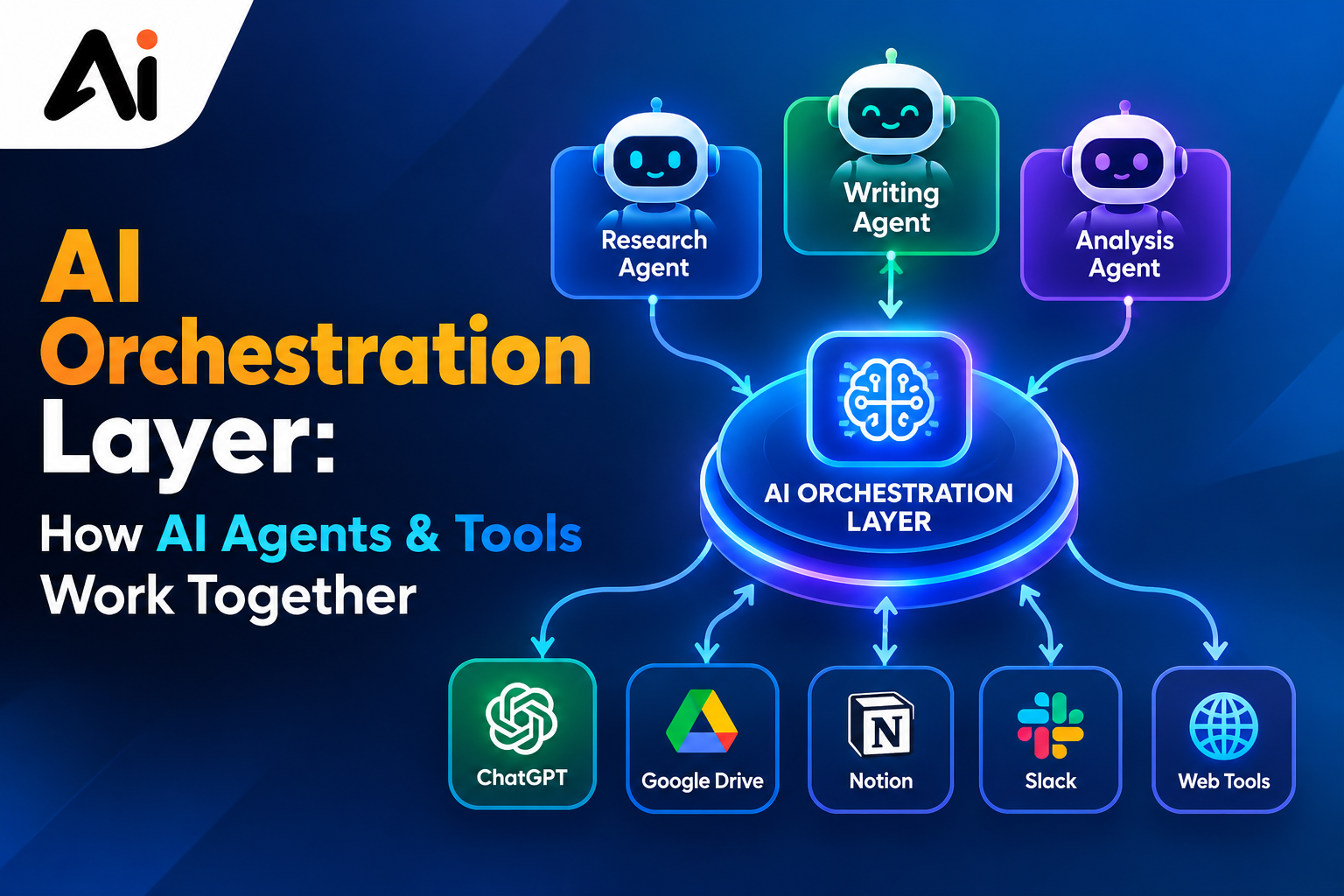
Droven.io does not provide direct workflow-building services; instead, it focuses on delivering structured educational content that helps users understand and evaluate automation solutions. The platform covers key areas such as AI workflow automation, CRM automation, no-code automation, AI agents, business process automation, cloud automation, productivity tools, and detailed comparisons between different software platforms.
A typical user journey begins when a business identifies a specific challenge, such as improving lead management or enhancing customer support. Users can then explore Droven.io’s guides, reviews, and software comparisons to understand available solutions and choose the most suitable automation platform for their needs. After making an informed decision, they can implement workflows using the selected automation tool.
In this way, Droven.io serves as a reliable knowledge and research resource that helps businesses make smarter software decisions, rather than acting as an automation platform that directly creates or manages workflows.
What Topics Does Droven.io Cover?
Although many people refer to “Droven IO AI Automation Tools” as though it were a single product, the platform actually covers several categories of automation technology.
AI Workflow Automation
Workflow automation platforms enable different applications to work together by automating repetitive tasks and processes. Instead of requiring users to complete routine actions manually, these platforms create automated workflows that improve efficiency and reduce errors.
Common examples of workflow automation include capturing website leads, sending automated welcome emails, updating CRM records, assigning leads to sales representatives, creating project tasks, and triggering notifications through communication tools like Slack. By handling these repetitive activities automatically, workflow automation systems help businesses save time, increase productivity, and maintain greater consistency across their operations.
No-Code Automation
No-code platforms allow users to build workflows visually without programming knowledge.
This approach makes Automation accessible to:
Workflow automation platforms are widely used by small businesses, marketing teams, agencies, consultants, and operations departments to streamline daily tasks and improve efficiency. These tools help organizations automate repetitive processes, manage workflows more effectively, and reduce the time spent on manual operations.
Popular automation platforms such as Zapier, Make, and GoHighLevel provide businesses with flexible solutions for connecting applications, managing tasks, and creating customized workflows without requiring advanced technical skills.
AI Task Automation
Task automation focuses on simplifying repetitive daily activities by allowing businesses to complete routine tasks automatically. Instead of spending time on manual processes, teams can use automation to handle activities such as writing follow-up emails, summarizing customer support tickets, organizing customer data, generating reports, scheduling appointments, and updating CRM fields.
By automating these everyday tasks, businesses can improve productivity, save valuable time, and reduce the chances of human error. Task automation allows employees to focus on more strategic and creative work while maintaining accuracy and consistency in their operations.
Conversational AI
Modern businesses increasingly use AI-powered chatbots and virtual assistants to:
Conversational AI helps businesses improve communication by enabling AI-powered assistants to interact with customers, answer questions, and handle routine requests automatically. These systems can qualify leads, schedule appointments, route support requests to the right teams, and provide 24/7 customer assistance without requiring constant human involvement.
Droven.io explains how conversational AI can be integrated into broader automation strategies, helping businesses understand how AI assistants can work alongside workflow automation tools to create more efficient, responsive, and scalable business processes.
CRM Automation
Customer Relationship Management (CRM) automation helps organizations streamline customer interactions by automatically handling repetitive sales and marketing tasks.
Typical CRM automations include:
Who Should Use Droven.io?
Droven.io is designed for readers who are researching automation before investing.Droven.io is particularly valuable for a wide range of professionals, including small business owners, marketing agencies, consultants, operations managers, sales teams, customer support leaders, startup founders, and IT decision-makers. The platform provides practical information to help users understand automation solutions, evaluate different tools, and choose platforms that align with their business goals.
Whether someone is exploring automation for the first time or comparing advanced enterprise-level solutions, Droven.io offers clear guidance and unbiased insights without promoting a single software vendor. This allows businesses to make more informed decisions based on their specific needs, challenges, and operational requirements.
Is Droven.io Worth Using?
If your goal is to understand the AI automation market before purchasing software, Droven.io provides significant value as a free educational resource.
However, it is important to understand Droven.io’s actual role in the automation ecosystem. The platform is not designed to directly create or execute automation workflows. Users cannot build workflows, connect applications, automate business processes, or run AI agents directly through Droven.io.
Instead, Droven.io serves as a research and educational resource that helps businesses understand different automation solutions and choose the right software for their specific needs. By providing comparisons, guides, and insights, the platform supports better decision-making before investing in automation tools.
For businesses evaluating multiple automation platforms, starting with independent research can prevent costly mistakes and make the selection process much easier.
Features & Business Use Cases
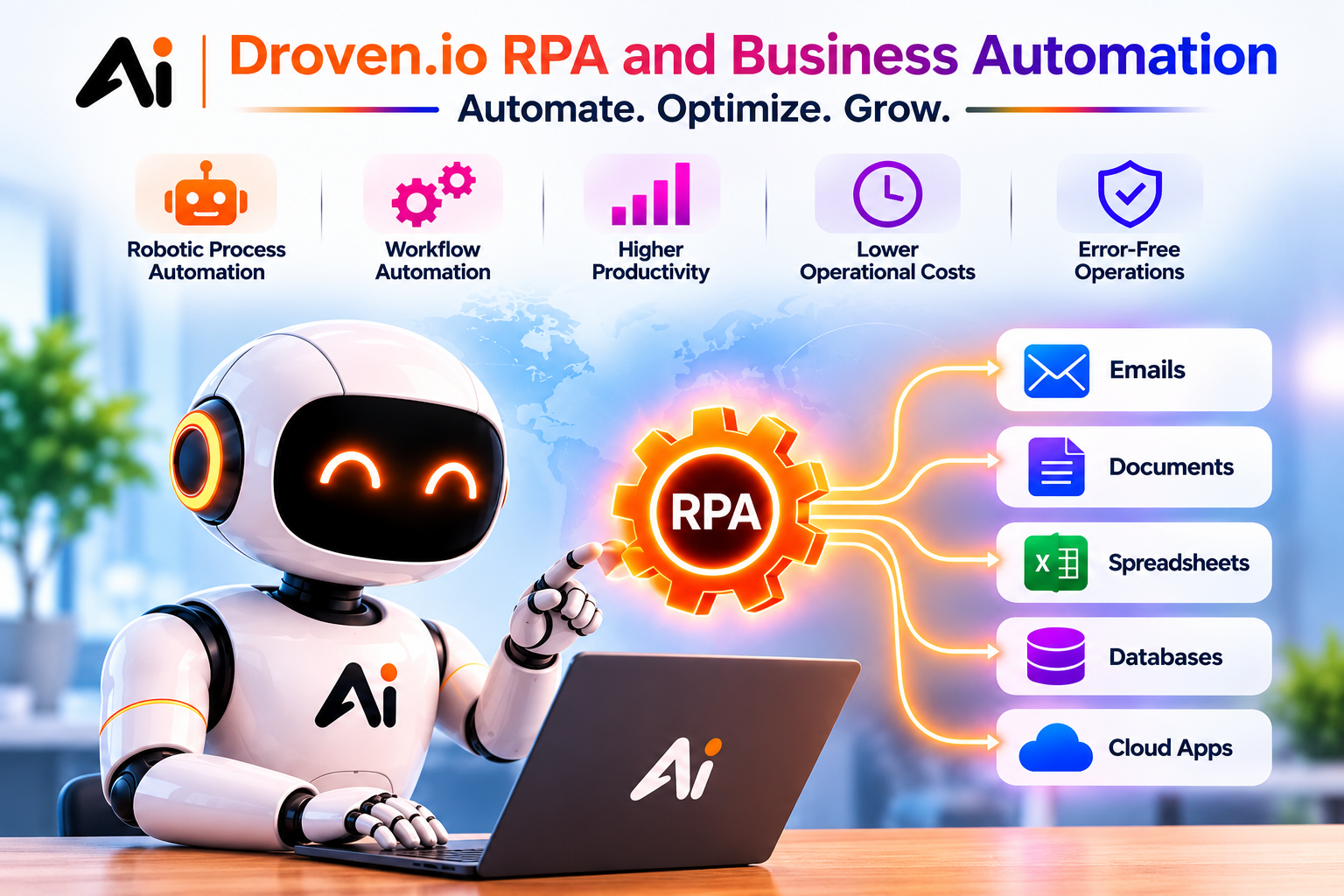
Although Droven.io is not an automation platform itself, Droven.io RPA and Business Automation provides detailed insights into Robotic Process Automation (RPA), business automation, and the latest tools and technologies that help businesses automate workflows, improve productivity, and optimize daily operations. By exploring Droven.io RPA and Business Automation, organizations can better understand automation categories and identify the right solutions based on their specific goals and business requirements.
AI Workflow Automation
AI workflow automation enables different applications and services to work together by automatically completing repetitive tasks based on specific triggers. Instead of manually transferring information between multiple tools, businesses can create intelligent workflows that perform actions automatically when certain events occur.
Common examples of AI workflow automation include sending welcome emails after customer sign-ups, assigning new leads to sales representatives, creating project tasks, updating CRM records, and sending notifications through platforms such as Slack or Microsoft Teams. These automated workflows help businesses reduce manual effort, minimize errors, and maintain consistent processes across operations.
No-Code Automation
No-code automation platforms allow users to create automated workflows through simple drag-and-drop interfaces without requiring programming knowledge. This makes automation more accessible for small businesses, marketing teams, agencies, consultants, and operations managers.
By using no-code tools, businesses without dedicated development teams can quickly automate routine processes, improve efficiency, and reduce the cost and complexity of implementation.
AI Task Automation
AI task automation focuses on handling repetitive daily activities that require significant employee time and effort. These tasks may include generating follow-up emails, summarizing customer conversations, updating spreadsheets, syncing CRM contacts, creating meeting notes, and organizing customer data.
By automating these routine responsibilities, employees can spend more time on strategic decision-making, creative tasks, and activities that contribute greater value to the business.
Conversational AI
Conversational AI uses advanced language models and chatbots to communicate naturally with customers and employees. Businesses use conversational AI solutions for customer support, lead qualification, appointment scheduling, product recommendations, frequently asked questions, and internal employee assistance.
When combined with workflow automation, conversational AI assistants can do more than answer questions they can trigger automated processes, manage requests, and complete complex business tasks with minimal human involvement. This combination helps organizations create faster, smarter, and more efficient customer and operational experiences.
CRM Automation
Customer Relationship Management (CRM) automation improves sales and customer communication by automating repetitive CRM activities.
CRM automation helps businesses manage customer relationships more efficiently by automating repetitive sales and communication processes. These automations can include lead assignment, email sequences, contact segmentation, pipeline updates, appointment reminders, and follow-up notifications.
Service-based businesses often benefit significantly from CRM automation because many customer interactions follow predictable patterns. By automating these processes, companies can improve response times, maintain better customer engagement, reduce manual tasks, and ensure consistent follow-up throughout the customer journey.
Best Business Use Cases
Different industries benefit from automation in different ways. Below are some of the most common applications.
Small Businesses
Small businesses often use automation to simplify daily operations and reduce administrative workload. Common automated processes include lead capture, appointment reminders, invoice follow-ups, customer onboarding, and payment reminders. By automating these repetitive activities, small businesses can save time, improve efficiency, and provide a smoother customer experience.
Marketing Teams
Marketing automation helps teams manage campaigns and customer interactions more effectively. Businesses use automation for audience segmentation, personalized email campaigns, lead scoring, customer journey tracking, and social media workflow management. These tools allow marketers to create more targeted experiences while reducing the amount of manual effort required.
Customer Support Teams
Customer support departments frequently rely on automation to improve service quality and response times. Common use cases include ticket routing, AI-powered chat responses, FAQ automation, escalation workflows, and customer satisfaction surveys. These systems help support teams handle routine requests efficiently while allowing human agents to focus on more complex customer issues.
Sales Teams
Sales teams use automation to streamline the sales process and improve productivity. Common applications include automatic lead capture, prospect assignment, follow-up scheduling, CRM pipeline updates, and sales report generation. By reducing manual data entry, automation allows sales representatives to spend more time building relationships and closing deals.
Project Management
Automation also plays an important role in improving project management processes. Teams can automate task creation, project status updates, deadline reminders, milestone tracking, and stakeholder notifications. These workflows enhance collaboration, improve visibility, and help teams complete projects more efficiently while reducing the risk of missed deadlines.
Droven IO Pricing
One of the most common misconceptions about Droven.io is that it provides or sells automation software. However, Droven.io is not an automation service provider and does not offer any software subscriptions, licenses, or premium automation packages.
Instead, it operates as an editorial and educational knowledge platform that provides free access to research-based content, guides, and comparisons about automation tools and technologies. Businesses can use this information to better understand available solutions and make informed decisions.
Any costs associated with automation come from the third-party platforms that businesses choose to implement after completing their research. Droven.io itself does not charge users for automation services or provide paid software solutions.
Typical Pricing of Popular Automation Platforms
| Platform | Pricing Model | Best For |
| Zapier | Free plan with paid tiers | Beginners and small businesses |
| Make | Free plan with scalable pricing | Visual workflow automation |
| n8n | Free self-hosted or paid cloud version | Technical users and developers |
| GoHighLevel | Monthly subscription | Agencies and service businesses |
Each platform offers different strengths depending on budget, technical expertise, and business requirements.
Droven IO vs Zapier
Although these names are often searched together, they serve entirely different purposes.
Droven.io helps businesses research automation platforms, while Zapier is the software used to build automation workflows.
Businesses may read Droven.io guides before deciding whether Zapier is the right solution for their needs.
Droven IO vs Make
Make is a visual automation platform that enables users to connect thousands of applications using drag-and-drop workflows.
Droven.io does not compete with Make.
Instead, it explains Make’s features, strengths, limitations, and ideal use cases so businesses can make informed purchasing decisions.
Droven IO vs n8n
n8n is an open-source workflow automation platform that offers greater flexibility and lower long-term costs for technical teams.
Droven.io helps readers understand when n8n is a better choice than commercial alternatives by comparing deployment options, scalability, and customization capabilities.
Droven IO vs GoHighLevel
GoHighLevel combines CRM, email marketing, SMS, appointment scheduling, and automation into one platform.
Rather than replacing GoHighLevel or acting as an alternative automation platform, Droven.io provides educational insights to help users better understand the tool and evaluate whether it fits their needs. The platform explains who should use GoHighLevel, its key strengths and limitations, pricing considerations, suitable business types, and other alternative platforms that businesses may want to compare before making a decision.
By providing unbiased research and comparisons, Droven.io helps businesses choose the right automation solution based on their goals, requirements, and available resources.
Best Alternatives to Droven.io
If you’re looking for additional software research resources, several alternatives provide product reviews and comparisons.
Popular options include:
When researching automation solutions, businesses often rely on multiple sources to evaluate platforms and understand their capabilities. These sources include review platforms such as G2 and Capterra, official software vendor documentation, independent technology blogs, community forums, and user reviews. By comparing information from different sources, users can better understand features, pricing, performance, and real-world experiences before making a decision.
However, if the goal is to actually build and deploy automation workflows, businesses need dedicated automation platforms such as Zapier, Make, n8n, and GoHighLevel. These tools provide the functionality required to create, manage, and execute automated workflows across different applications and business systems.
Droven IO Integration Tutorials and Automation Guides
After researching automation platforms on Droven.io, the next step is selecting a solution that fits your business requirements. While Droven.io does not provide a workflow builder, its guides can help you understand how different platforms work before implementation.
How to Use Droven IO AI Automation Tools
Using the information available on Droven.io is straightforward. The automation journey typically begins by identifying the specific business process that needs improvement or automation. After defining the goal, users can explore relevant platform comparisons and buying guides, as well as information.
Software application components, to understand the available solutions. They can then evaluate different options by comparing features, pricing, integrations, and technical requirements to determine which platform best fits their business needs.
Once the right automation platform is selected, businesses can create, implement, and manage their workflows using that dedicated tool. Droven.io serves as the research and decision-making stage of this journey, helping users gain valuable insights and make informed choices before investing in automation software.
Droven IO Review: Is It Worth Using for AI Automation?
Droven.io is best viewed as an educational resource rather than automation software. Its greatest strength lies in helping businesses navigate the rapidly evolving AI automation landscape by providing unbiased guides, software comparisons, and practical insights without promoting any specific vendor. This makes it especially valuable for organizations that are evaluating different automation solutions and want reliable information before making an investment. However, while Droven.io helps users research and compare platforms, businesses must ultimately select and use a dedicated automation tool such as Zapier, Make, n8n, or GoHighLevel to build and manage their workflows.
Pros and Cons
Pros
- Free educational resource
- Vendor-neutral software comparisons
- Beginner-friendly explanations
- Covers multiple automation categories
- Helps businesses make informed purchasing decisions
- Regularly discusses emerging AI automation trends
Cons
- Does not build or execute workflows
- No workflow editor or dashboard
- No software installation or cloud platform
- Requires users to choose a separate automation platform for implementation
Is Droven.io Safe?
Yes. Since Droven.io is an educational platform, users can access its articles without installing software or sharing sensitive business information. Unlike automation platforms, it does not connect directly to customer data, internal systems, or business workflows. Instead, it serves as a vendor-neutral research resource that helps businesses understand and compare AI automation tools before making a decision. While users should always evaluate any third-party software before implementing it, using Droven.io for research and learning carries minimal risk because it focuses solely on providing informative and unbiased content.
The Future of AI Workflow Automation
AI automation is evolving rapidly as businesses look for smarter ways to improve efficiency and streamline their operations. In the coming years, several key trends are expected to shape the future of automation. Modern AI agents are becoming more capable, moving beyond answering simple questions to performing complex, multi-step tasks such as updating CRM systems, scheduling meetings, generating reports, and coordinating workflows across multiple applications. At the same time, workflow automation platforms are integrating artificial intelligence with traditional automation tools, allowing businesses to create more adaptive, intelligent, and efficient processes. The growing adoption of no-code development is also making automation more accessible, enabling non-technical users to build sophisticated workflows without programming knowledge. Additionally, businesses are increasingly embracing unified business platforms that combine CRM, marketing, communication, and automation into a single ecosystem, reducing the need for multiple disconnected tools and improving overall productivity.
Conclusion
Droven.io AI Automation Tools is not an automation platform itself but a trusted, vendor-neutral resource that helps businesses understand, compare, and choose the right AI automation solutions. Whether you’re exploring workflow automation, AI agents, CRM automation, no-code platforms, or productivity tools, Droven.io provides unbiased guides, practical comparisons, and implementation insights to support informed decision-making. By focusing on education rather than selling software, it enables businesses to confidently evaluate platforms like Zapier, Make, n8n, and GoHighLevel, ultimately helping them invest in the automation tools that best match their goals, budget, and operational needs.
FAQs
What are Droven IO AI Automation Tools?
Droven IO AI Automation Tools refers to the AI automation platforms and technologies that Droven.io researches and explains. It is an educational resource, not automation software.
Is Droven.io free to use?
Yes. Droven.io provides free guides, comparisons, and educational content. It does not sell software or require a paid subscription.
Can I build workflows on Droven.io?
No. Droven.io does not offer a workflow builder. You use its research to choose a platform like Zapier, Make, n8n, or GoHighLevel for creating automations.
Who should use Droven.io?
It is ideal for business owners, marketers, agencies, consultants, and operations teams looking to compare automation tools before investing in one.
Why is Droven.io useful?
Droven.io helps businesses understand automation platforms, compare their features, and choose the right solution without relying solely on vendor marketing.